
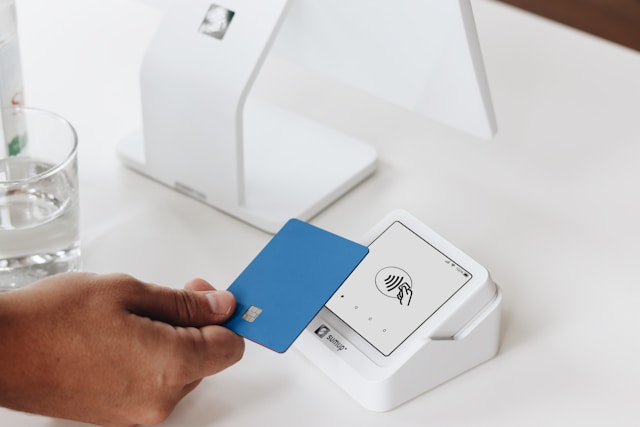

When you tap your smartphone at a grocery checkout counter or authorize an online purchase with a facial scan, you are relying on an invisible, highly sophisticated financial fortress. Mobile wallets like Apple Pay, Google Wallet, and Samsung Pay have transitioned from convenient tech novelties into the global standard for consumer commerce, handling trillions of dollars in annual transactions.
For the average consumer, however, moving from a physical piece of plastic to a completely digital repository of wealth raises an essential question: Are your funds actually safe? To answer this, we have to look past the slick user interfaces and examine the underlying security architecture of modern mobile wallets. By breaking down the multi-layered defensive frameworks engineered into contemporary devices, it becomes clear that digital wallets are not just as safe as physical cards—they are structurally far superior.
The Foundation of Isolation: The Secure Element
The primary vulnerability of any digital device is the operating system itself. Mobile operating systems host millions of lines of code, third-party applications, and continuous internet connections, making them theoretical targets for malware and software exploits. If your credit card data were stored in a standard folder or processed by your phone’s main processor, a compromised app could potentially scrape that data.
To eliminate this vector, device manufacturers implement a hardware-isolated microchip known as the Secure Element. This chip is a physically separate piece of hardware soldered onto the phone’s logic board, operating completely independently from the primary processor and the main operating system. It has its own dedicated memory, storage, and cryptographic engines.
When you add a card to your mobile wallet, the highly sensitive financial data is pushed straight into this isolated vault. The phone’s main operating system cannot directly read, write, or access the data inside the Secure Element. Even if your phone is infected with aggressive malware or completely rooted by an attacker, the hardware boundary isolating the Secure Element remains intact, effectively keeping your core financial credentials out of reach.
The Death of the Static Number: Network Tokenization
In traditional card transactions, your primary account number—the sixteen-digit string stamped across the front of your plastic card—is transmitted directly from the card reader to the merchant, and eventually through the payment networks. If a hacker breaches a merchant’s database weeks after your purchase, your static card number is exposed and can be used for fraudulent online shopping.
Modern mobile wallets neutralize this risk through a process called network tokenization. When you input your card details into a digital wallet, the app does not store your actual card number. Instead, it transmits that data securely to your bank’s payment network. The network validates the card and issues a unique, randomized string of numbers known as a token, formally called a Device Account Number.
This token is sent back to your phone and stored safely inside the Secure Element. From that moment forward, your real credit card number is completely erased from the operational loop. When you tap your phone at a cash register, the device transmits the token, not your card number. If a merchant’s payment system is intercepted or compromised, the hackers only steal a useless token that cannot be used to clone a physical card or make purchases on any other device.
Dynamic Cryptography and the Single-Use Cryptogram
A common concern regarding tokenization is the risk of an intercept attack: What stops a fraudster from capturing the token over the air and using it somewhere else? This is where dynamic cryptography creates a second line of defense.
During an over-the-air or contactless transaction, the mobile wallet does not just broadcast the static token. The cryptographic engine inside the Secure Element uses a unique internal key to generate a transaction-specific, one-time digital signature or cryptogram. This cryptogram contains encrypted details unique to that specific transaction, including the exact timestamp, transaction amount, and merchant ID.
When the bank receives the payment request, it verifies the cryptogram using a matching key. If a bad actor sniffs the wireless signal during a tap-to-pay transaction, they capture a token and a cryptogram that expires within seconds. Attempting to reuse that data at a different store or for a different amount will cause the bank’s authorization server to instantly flag and reject the transaction.
Biometric Enforcement and User Authentication
Physical credit cards suffer from a major architectural flaw: anyone who holds the plastic can theoretically swipe it or read the security code on the back. Mobile wallets solve this vulnerability by strictly requiring local, user-specific authentication before the Secure Element releases a token.
Every transaction requires a successful biometric check—either a fingerprint scan or a 3D facial recognition match—or the input of a secure device passcode. This biometric template data is also processed natively within a protected enclave on the device, meaning your actual biometric data is never sent over the internet or shared with the merchant.
Because the payment token cannot be deployed without local authentication, a stolen smartphone is practically useless to a thief trying to make unauthorized purchases. Unlike a lost leather wallet containing cash and unprotected plastic cards, a lost or stolen mobile wallet remains locked down from the moment it leaves your possession.
Cloud Invalidation and Remote Defenses
The final layer of the modern mobile wallet security architecture operates at the network and cloud level. Because our digital lives are connected to cloud ecosystems, losing a device does not mean you have to panic or physically call your bank to cancel all your credit cards.
Through remote tracking platforms, users can instantly activate a “Lost Mode” or initiate a remote wipe command from any web browser. When this command is received, the phone immediately purges the access keys within the Secure Element, rendering the digital wallet inert. Furthermore, because the bank tracks which tokens are tied to which specific physical devices, they can instantly deactivate a single device token on their server side without affecting your physical plastic card or your ability to use the same account on a smartwatch or tablet.
By combining physical hardware isolation, dynamic tokenized data transmission, localized biometric enforcement, and rapid cloud-based invalidation, the financial technology sector has successfully built an ecosystem where your funds are demonstrably safer inside a digital mobile wallet than they ever were inside a traditional leather billfold.