
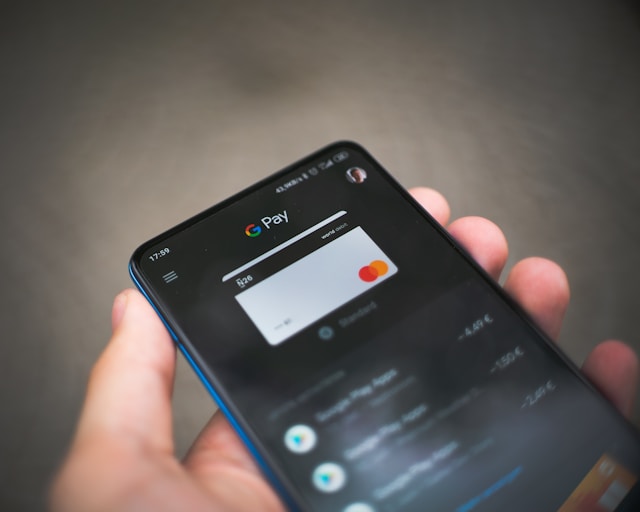

For decades, a bank’s physical presence was its ultimate competitive advantage. Towering brick-and-mortar branches on downtown corners and extensive networks of local ATMs signaled strength, stability, and reliability. For older generations, choosing a bank was an in-person rite of passage. You walked into a lobby, sat across from a branch manager, and opened your first checking account.
Today, that paradigm is completely broken. Generation Z—the cohort born between the late 1990s and the early 2010s—is rapidly aging into the workforce and taking control of its financial destiny. Millions of Gen Z consumers are opening new bank accounts, yet traditional retail banks are watching this massive, high-value demographic slip straight through their fingers. The reason is simple: Gen Z is not just abandoning the physical branch; they are entirely redefining what a financial institution should be.
**The Friction-Free Onboarding Expectation**
To understand why legacy banks are losing this market, one must look at how Gen Z interacts with the digital world. Having grown up with smartphones, instant streaming, and algorithm-driven applications that anticipate their needs, this generation measures a company’s competence by its user interface.
For a traditional bank, an account opening process that takes twenty minutes, requires a visit to a physical location, or demands the scanning and uploading of paper utility bills is an immediate dealbreaker. Digital-native neobanks and financial technology platforms have turned onboarding into a frictionless, four-minute process conducted entirely on a mobile screen. If a legacy institution introduces a single moment of administrative clunkiness, younger users will abandon the application without a second thought. For Gen Z, digital convenience is no longer a premium feature; it is the baseline entry fee.
**The Rise of Alternative Financial Ecosystems**
Traditional banks long operated under the assumption that a checking account was a sticky, lifelong product. Once a customer established their primary checking relationship, they would naturally stay for their first car loan, their mortgage, and their investment accounts.
Gen Z has completely fragmented this journey. They do not view banking as a monolithic relationship with a single provider. Instead, their financial lives are distributed across an interconnected ecosystem of highly specialized apps. They use peer-to-peer payment platforms to settle dinner bills, separate digital wallets for daily spending, and gamified micro-investing platforms to purchase fractional shares of stock.
Furthermore, younger consumers are increasingly choosing alternative financing methods over traditional credit cards. The explosive growth of Buy Now, Pay Later services has provided Gen Z with interest-free installment options directly at the digital checkout counter, completely bypassing the rigid underwriting and high interest rates of legacy credit cards. When the primary financial interactions occur outside the traditional bank account, the legacy institution is reduced to a passive utility repository for a direct deposit paycheck—assuming the user hasn’t migrated their direct deposit to a fintech app as well.
**A Deep Structural Deficit in Institutional Trust**
The reluctance of Gen Z to embrace traditional banking brands goes deeper than just app design; it is rooted in a profound cultural and generational trust deficit. This cohort grew up during periods of deep economic instability, witnessing their parents navigate the fallout of major global financial crises, corporate scandals, and predatory lending practices. This exposure has left them deeply skeptical of institutional claims.
This skepticism translates directly into how they view bank fees. Legacy institutions have historically relied on a complex web of background fees—such as monthly account maintenance charges, minimum balance penalties, and steep overdraft fees—to drive retail revenue. Gen Z views these charges as a direct tax on being low-income or starting out in their careers. Fintech disruptors won early market share by aggressively marketing a “zero-fee” philosophy, offering transparent fee structures and early access to direct deposits. When a traditional bank charges a twenty-something twenty dollars because their balance dropped below an arbitrary threshold, it doesn’t just lose a transaction; it permanently breaks the relationship equity.
**The Social Media Financial Advice Revolution**
Historically, when a young person needed advice on how to build a credit score, save for an apartment, or invest their savings, they turned to a bank representative or a parent. Today, Gen Z looks to their social feeds. Short-form video platforms have completely democratized financial education, making complex concepts like budgeting, tax strategies, and investing accessible, engaging, and culturally relevant.
Traditional banks have struggled to adapt to this shifting communication landscape. Their educational outreach often takes the form of heavy text documents, static website FAQs, or dry, jargon-filled corporate blog posts. Meanwhile, independent digital creators deliver actionable, visually engaging financial advice that feels tailored to a specific life stage. While the rise of unverified financial advice online carries real risks of misinformation, it highlights a massive vacuum: traditional banks are failing to meet younger consumers where they actually consume information.
**The Multi-Trillion-Dollar Retention Crisis**
The inability of traditional banks to capture Gen Z isn’t just an immediate customer acquisition problem; it represents a looming existential threat to the industry’s long-term balance sheets. Over the next two decades, an unprecedented generational wealth transfer will see trillions of dollars move from aging baby boomers to their children and grandchildren.
If a legacy bank holds the primary deposit accounts for a wealthy older client, there is no longer any guarantee that those funds will remain with the institution once inherited. If the heirs have already established their primary financial identities, trust networks, and automated payment habits within digital-first fintech platforms, those inherited assets will instantly exit the traditional banking system.
To stem this tide, traditional institutions cannot simply re-skin their mobile apps or launch trendy marketing campaigns. Winning over Gen Z requires a fundamental overhaul of corporate philosophy. Banks must transition away from opaque, transaction-heavy product models and evolve into transparent, personalized financial partners that deliver immediate, frictionless utility directly to the palm of a user’s hand.